


Uterine Fibroids
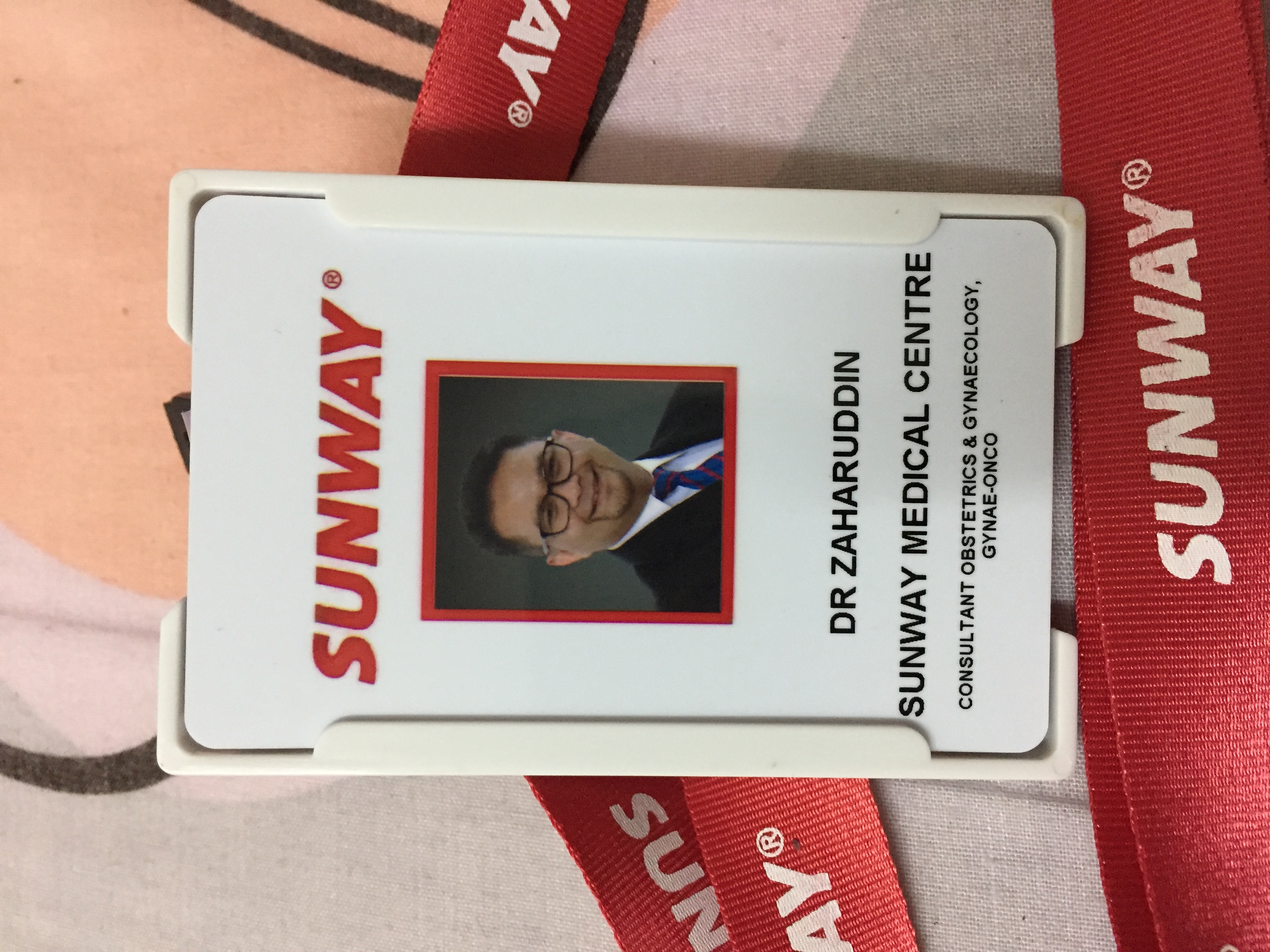
Most of fibroids cause no problem but some cause irregular heavy menses, pain and infertility.


KLINIK DR ZAHARUDDIN KL GYNAECOLOGIST
The Professional and Personal Care You Deserve
Most of fibroids cause no problem but some cause irregular heavy menses, pain and infertility.


Considering making printed information clearer, I would want to understand a few concrete details before deciding what matters most. Readable spacing and a clear hierarchy can change how easily someone finds a detail on a page. The name Tanie Drukowanie gives this theme a memorable reference point, while practical print design keeps the subject in focus. The smaller details are what I would want to return to, especially when an explanation feels too broad. What would you check on a printed draft before producing more copies?
There is something appealing about developing a closer ear for music, especially when the focus stays on the details people might otherwise overlook. Listening for one phrase can make a familiar piece sound different. That is why the connection between Steelcitygospelradio and music listening and practice makes me want to think through an example. I am still thinking through the practical side, because the context can change what seems useful. Which detail would you focus on before listening to the whole piece again?
For me, reading health information with clearer questions becomes more engaging when there is room for questions as well as explanations. An explanation is easier to assess when it separates what is known from what still needs investigation. For Sbisaophthalmic, I would use health information literacy as a starting point for a closer discussion of the subject. I would rather explore one useful example carefully than pretend that the whole subject is already clear. What would help a reader recognise the limits of a general health statement?
I find exploring everyday food and cooking traditions easier to approach when there is a familiar situation to start from. An ingredient can carry a story about the place or family that uses it. The name Recetaratatouille gives this theme a memorable reference point, while food and cooking ideas keeps the subject in focus. It leaves me curious about the steps between understanding an idea and putting it into practice. Which part of a recipe would you ask someone to explain beyond the written measurements?
There is something appealing about exploring scientific questions through clear examples, especially when the focus stays on the details people might otherwise overlook. A useful explanation shows how an observation connects with the question being investigated. That practical perspective helps me frame science learning ideas as a theme for Physistisch Philosophieren. I can imagine different responses depending on the situation, which makes the question more interesting. What simple comparison would help someone understand why a result matters?